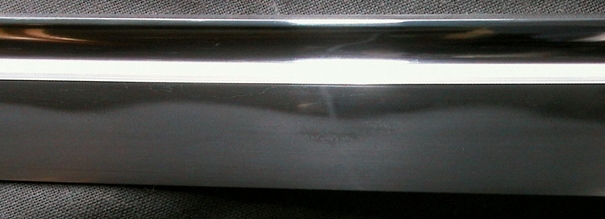
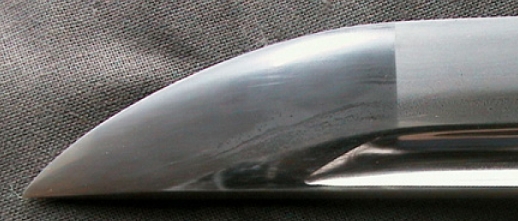
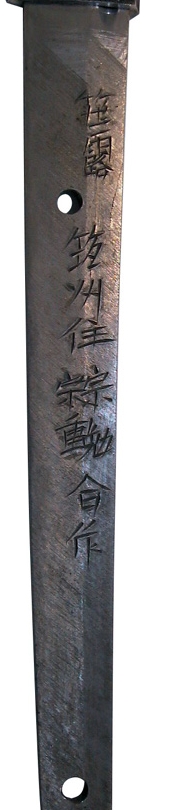
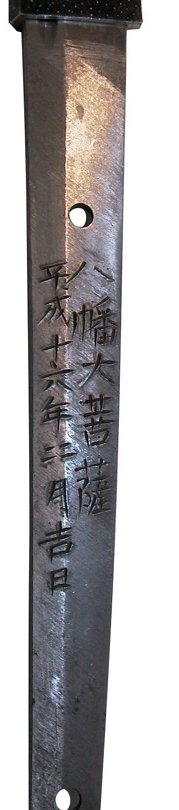
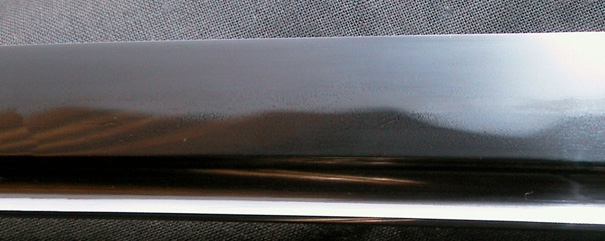
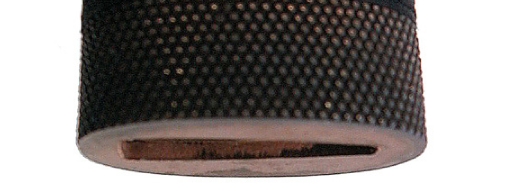
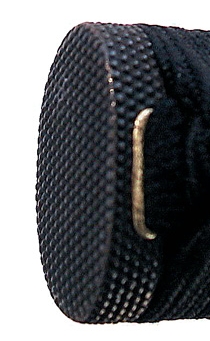
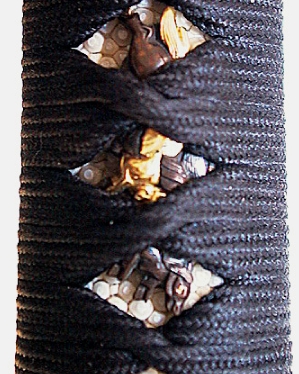
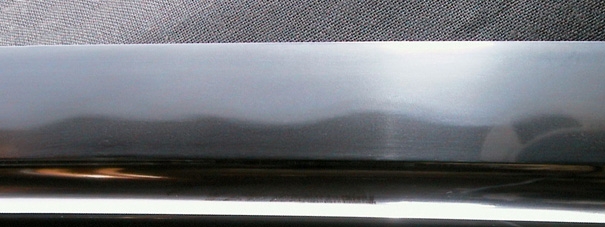
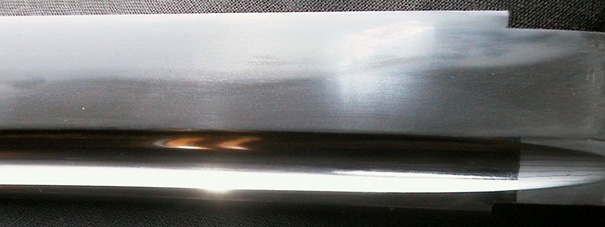
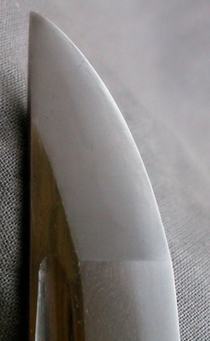
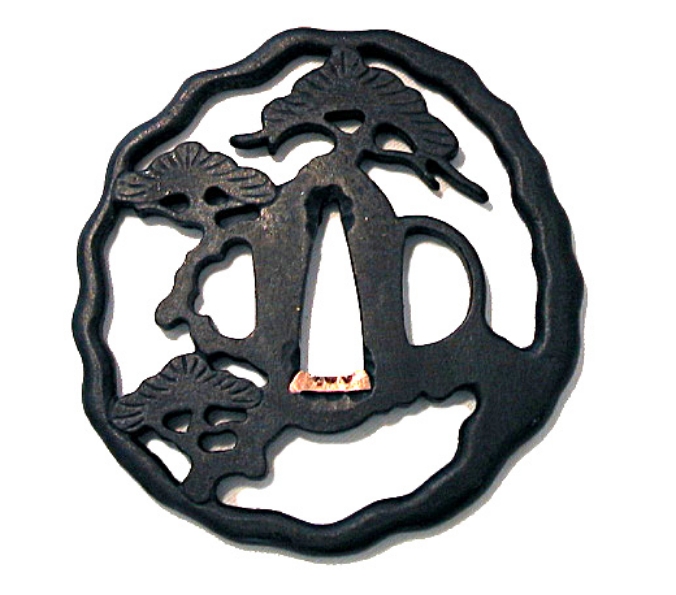
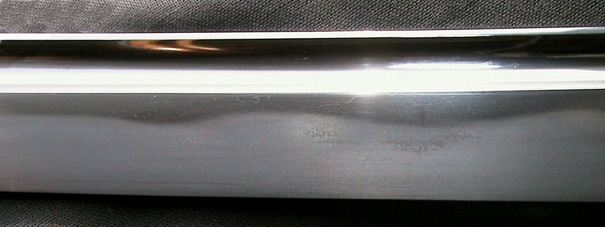
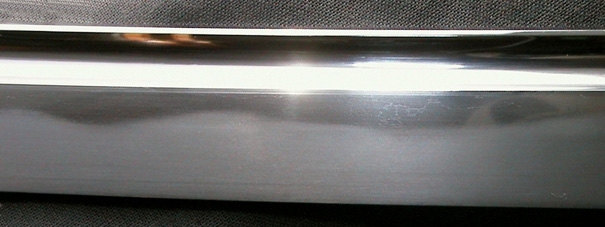
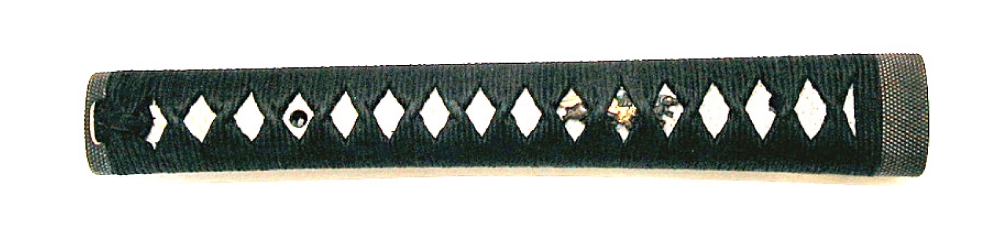
SW 0154 - Katana Heisei - So Tsutomu - Price Euro 13.458,00 Mei: Sasatsuyu (笹露), Chikushu Jiu So Tsutomu Muneshige Gassaku; Ura: Hachiman Daibosatsu, Heisei Jiu Roku Nen Shigatsu Kichijutsu; Translation omote: Bamboo dew, made by So Tsutomu (and) Muneshige from Chiku province; ura: Great Hachiman Daibosatsu, a good auspices day of April 16 year Heisei Era (2004); Muto School; born on May 1, 1926 Tsutomu he lived in Fukuoka prefecture (Hakata), work in Soshu style of Minamoto no Kiyomaro and has also studied Sukehiro's Toranba hamon, blade in san-mai kitae with kinsuji and sunagashi; Shinogi Zukuri, Iori Mune, Extended Chu Kissaki; Nagasa: 73,2 cm; Motohaba: 3,25 cm; Torisori: 1,75 cm; Mekugi ana: 2; Kitae: itame hada; Hamon: gunome midare in nioi deki with ko nie; Boshi: midarekomi; Horimono: Bo-hi is carved on the both sides; Koshirae: katana, Fuchi-Kashira shakudo nanako, Menuki shakudo and gold inlaid, horses theme, all Edo period. Perfect balance for Hi-Grade Iaido. The inscription "Hachiman Daibosatsu" on the nakago is not just a label, but a profound spiritual symbol that identifies the sword as a sacred object under the protection of the god of war and warriors. |
||
 |
|
|
|
||||||||||||||||||||||||||||||||||||||||||||||||||||||||||||||||||||||||||||||||||||||||||||||||||||||||||||||||||||||||||||||||||||||||||||||||||||||||||||||||||||||||||||||||||||||||||||||||||||||||||||||||||||||||||||||||||||||||||||||||||||||||||||||||||||||||||||||||||||||||||||||||||||||||||||||||||||||||||||||||||||||||||||||
|
|
|
||||||||||||||||||||||||||||||||||||||||||||||||||||||||||||||||||||||||||||||||||||||||||||||||||||||||||||||||||||||||||||||||||||||||||||||||||||||||||||||||||||||||||||||||||||||||||||||||||||||||||||||||||||||||||||||||||||||||||||||||||||||||||||||||||||||||||||||||||||||||||||||||||||||||||||||||||||||||||||||||||||||||||||